
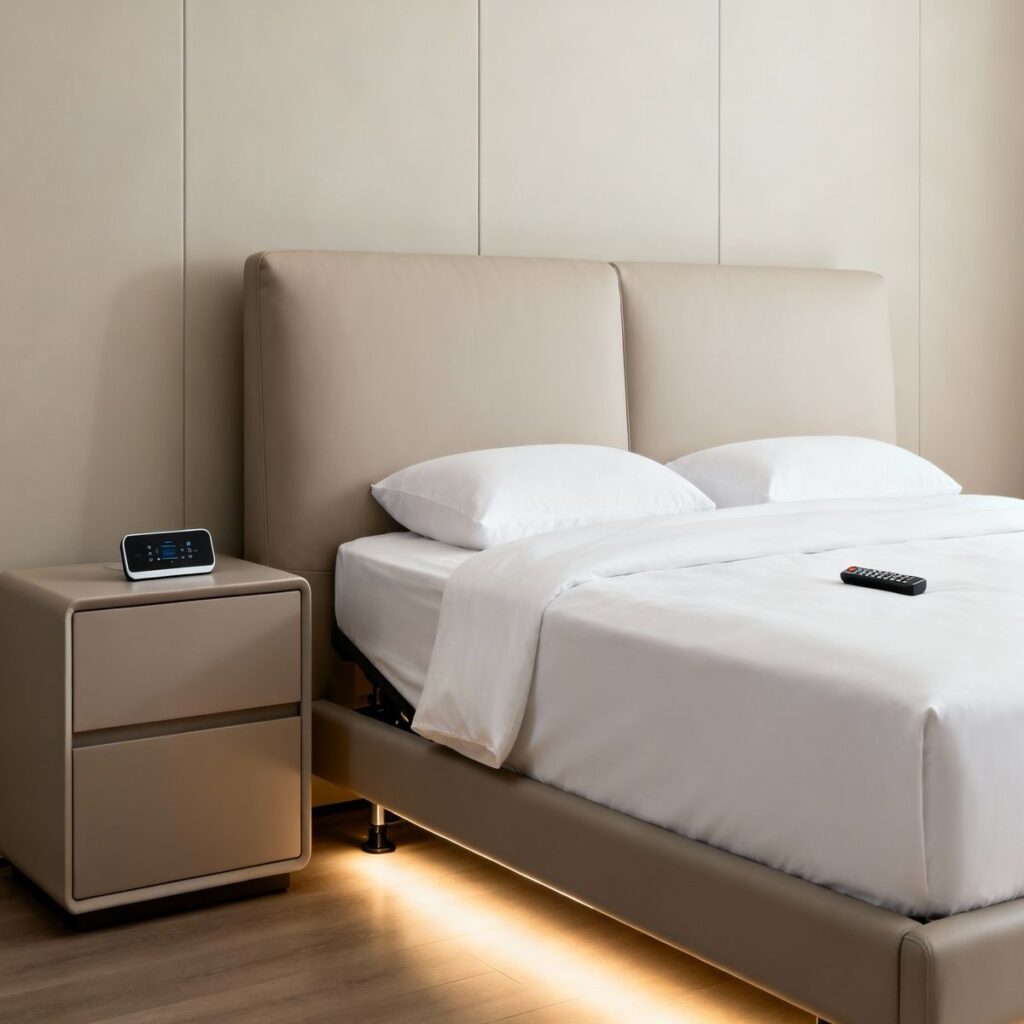
Core Architecture and Design Philosophy
Understanding the FOK959S-M features starts with its underlying architecture. The system uses a distributed control approach where a central processing unit coordinates multiple subsystems—motor controllers, sensor interfaces, communication modules, and power management—rather than integrating everything into a monolithic design. This modular architecture provides several advantages, though it does add some complexity.
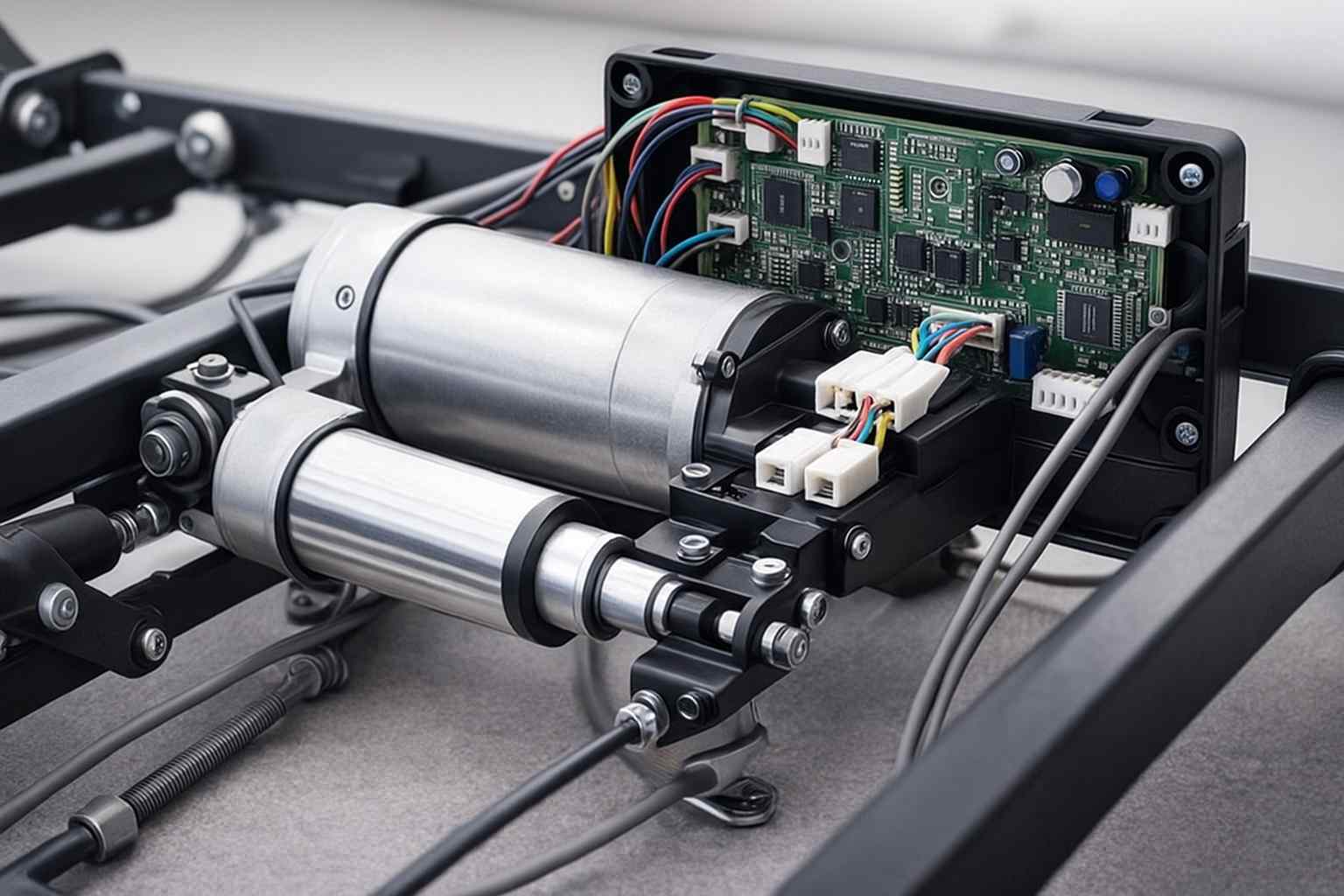
The main control unit typically centers around a 32-bit ARM-based microcontroller, though specific chips vary by variant and manufacturer. This provides adequate processing power for real-time motor control, sensor data processing, and communication protocol handling without the cost and power consumption of more powerful processors. For the relatively deterministic tasks these systems perform, the processing capacity is well-matched to requirements.
Perhaps what I find most interesting is the redundancy built into the design. Critical functions often have fallback modes—if app connectivity fails, the physical remote still works. If sensor data becomes unreliable, the system falls back to manual control. This defensive engineering approach reflects lessons learned from early smart home devices that became unusable when a single point of failure broke. The FOK959S-M architecture tries to ensure you always have basic functionality even if advanced features temporarily fail.
Power Management System
The power management subsystem deserves specific attention because it significantly impacts performance and reliability. The FOK959S-M uses a switched-mode power supply that converts AC line voltage to the various DC voltages needed by different subsystems—typically 24V or 36V for motors, 12V for some control circuits, and 5V or 3.3V for logic and communications.
This power supply design includes active power factor correction in better implementations, which reduces harmonic distortion on the AC line and improves overall efficiency. Real-world efficiency typically runs 85-92% depending on load conditions, which is quite good for this type of application. Standby power consumption generally stays under 3 watts, sometimes as low as 0.5 watts in the most efficient designs. Over a year of continuous operation, this might add $3-5 to your electricity bill—negligible in the context of the overall system.
Inrush current limiting prevents the power supply from drawing excessive current during initial power-up, which both protects internal components and reduces stress on the AC line. Some variants include battery backup capability, typically using lithium-ion or sealed lead-acid batteries that provide 30-60 minutes of operation during power outages. This is particularly valuable in medical-grade variants where position adjustment during power failures might be critical.
Motor Control Technology
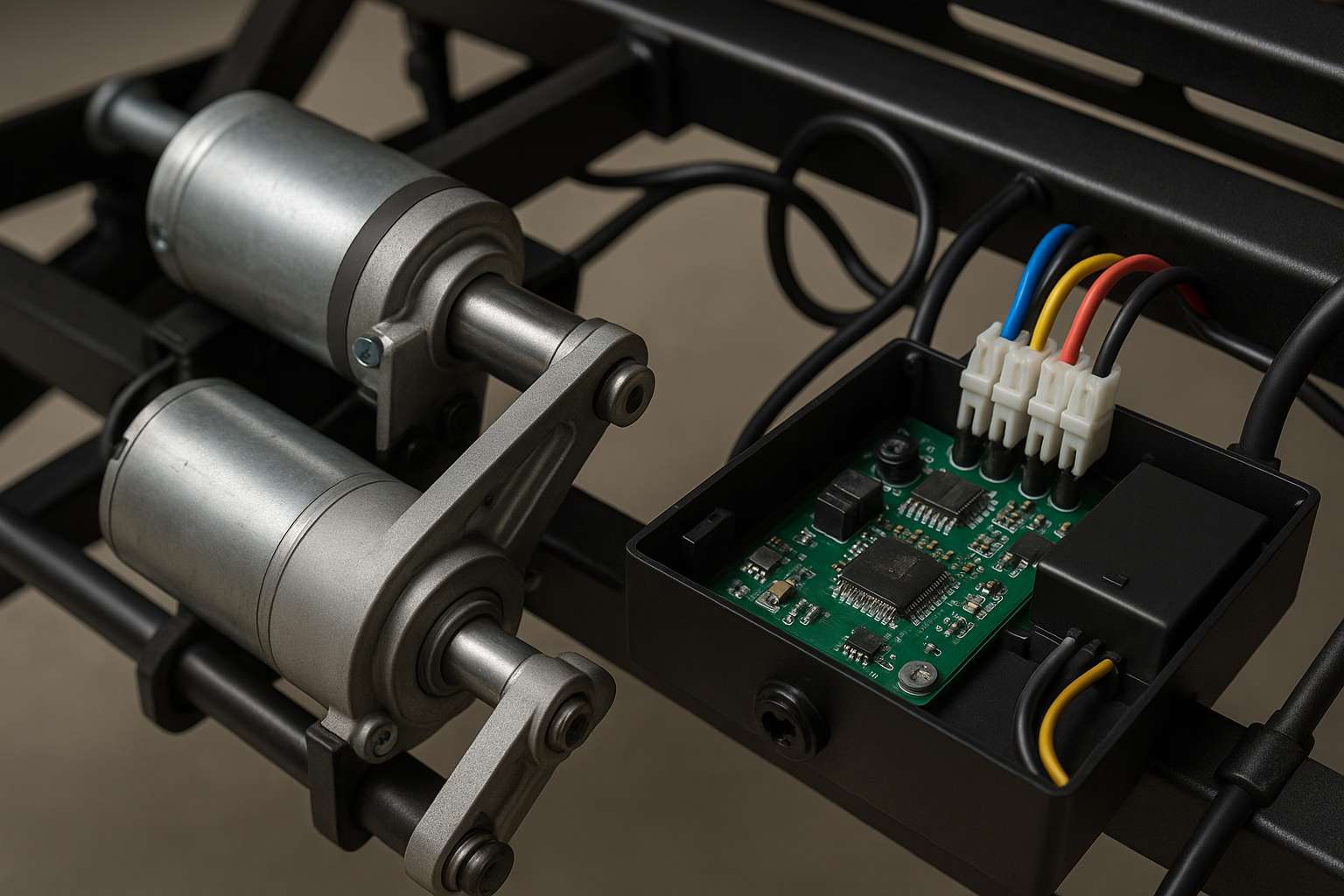
The motor control subsystem represents one of the most technically sophisticated aspects of FOK959S-M systems. Rather than simple on-off motor control, these systems use pulse-width modulation (PWM) to precisely regulate motor speed and torque. This enables smooth starts and stops without jerky motion, reduces mechanical stress on components, and allows for quiet operation that doesn’t disturb sleep.
Current sensing on each motor channel provides overload protection and position feedback. The control system monitors how much current each motor draws—sudden increases indicate obstructions or binding, triggering automatic shutoff before damage occurs. This safety feature prevents injuries if someone or something gets caught in the mechanism and protects motors from burnout if mechanical problems develop.
The motor control algorithms include soft-start routines that gradually ramp up power rather than hitting motors with full voltage instantly. This extends motor life significantly and reduces acoustic noise during operation. Similarly, soft-stop algorithms prevent the jarring sensation of motors cutting off abruptly. These refinements might seem minor, but they meaningfully impact user experience—the difference between a bed that smoothly, quietly adjusts versus one that lurches and buzzes is substantial.
Sensor Systems and Data Collection
The sensor capabilities of FOK959S-M systems vary dramatically between variants, from minimal position sensing in basic models to sophisticated biometric monitoring in premium implementations. Understanding what sensors are included and what data they collect helps you evaluate both capabilities and privacy implications.
Position and Movement Sensors
All FOK959S-M variants include basic position sensing to track where motors are in their adjustment range. This typically uses Hall effect sensors or potentiometers that provide continuous position feedback. The control system needs this information to implement soft stops at end-of-travel limits, execute preset positions accurately, and prevent over-extension that could damage mechanisms.
More sophisticated systems add pressure mapping sensors—typically using resistive or capacitive sensor arrays embedded in mattress pads or integrated into compatible mattresses. These sensors detect where weight is distributed across the sleep surface and how it changes over time. The data enables several useful functions: automatic adjustment to relieve pressure points, movement tracking for sleep analysis, and occupancy detection that can trigger smart home automation.
Accelerometers in some implementations detect gross body movements, distinguishing between minor position changes during normal sleep and larger movements that might indicate restlessness or awakening. Combined with pressure data, accelerometer information helps algorithms differentiate between sleep stages—deep sleep shows minimal movement, while REM sleep and lighter sleep stages typically involve more activity.
Biometric Monitoring
Premium FOK959S-M variants incorporate ballistocardiography (BCG) for non-contact heart rate and respiration monitoring. BCG sensors detect the subtle motions your heartbeat creates—the force of blood being ejected from your heart causes tiny whole-body movements that sensitive pressure sensors can measure. Signal processing algorithms extract heart rate and heart rate variability from this data with reasonable accuracy, typically within 5-10% of chest-strap monitors.
Respiration monitoring works similarly, detecting the rhythmic movement of breathing. The system can identify respiration rate and sometimes detect apnea events where breathing pauses abnormally. This isn’t medical-grade monitoring—you shouldn’t rely on it for diagnosis—but it provides useful tracking data and can alert you to patterns that might warrant professional evaluation.
Temperature sensors in some implementations track surface temperature across the mattress, identifying hot and cold zones. This data can trigger automatic adjustments to climate control systems in beds with active heating or cooling, or simply provide insights about temperature patterns that affect sleep quality. Temperature regulation matters more than many people realize—being too hot or too cold significantly disrupts sleep architecture.
Environmental Sensors
Some FOK959S-M systems include environmental sensors beyond just the bed itself. Ambient light sensors detect bedroom lighting levels, useful for coordinating with smart lighting systems or automatically dimming display screens at night. Sound level sensors can detect snoring or other disturbances, either for tracking purposes or to trigger automatic adjustments designed to reduce noise.
Air quality sensors monitoring CO2, VOCs, or particulates appear in a few high-end implementations, usually as part of broader sleep optimization systems. These sensors don’t directly relate to bed control but feed into comprehensive sleep environment monitoring that considers multiple factors affecting rest quality. The data integration across multiple sensor types represents where FOK959S-M technology is heading—holistic sleep environment management rather than just bed position control.
Communication and Connectivity Features
The communication capabilities of FOK959S-M systems determine how you interact with the device and what integration possibilities exist. Connectivity options vary significantly across the model range, from basic RF remote control to comprehensive smart home integration.
Remote Control Systems
The baseline interface for all FOK959S-M systems is a physical remote control using RF (radio frequency) communication, typically operating in the 433 MHz or 2.4 GHz ISM bands. These frequencies penetrate walls and furniture effectively and don’t require line-of-sight like IR remotes. Range typically extends 30-50 feet in residential environments, adequate for controlling your bed from anywhere in the bedroom.
Remote designs vary from basic models with simple up/down buttons to sophisticated units with backlit displays, preset position buttons, massage controls, and lighting controls. Better remotes include confirmation feedback—visual or haptic—so you know your command was received. Some mount magnetically to the bed frame or nightstand for convenient access, while others include dedicated charging cradles.
The RF protocol security matters more than you might initially think. Early systems used unencrypted, fixed-code transmissions that could be intercepted or spoofed—imagine your bed randomly adjusting because a neighbor’s remote operates on the same frequency. Modern FOK959S-M systems use rolling codes or encrypted transmission that pairs remotes to specific receivers, eliminating interference and unauthorized control concerns.
Bluetooth Connectivity
Mid-range and premium FOK959S-M variants typically include Bluetooth for smartphone connectivity. Most implementations use Bluetooth Low Energy (BLE) which provides adequate bandwidth for control and sensor data while minimizing power consumption. BLE range is somewhat limited—typically 30-60 feet in residential environments—but this is usually sufficient since you’re controlling your bed from the bedroom.
The companion apps enabled by Bluetooth connectivity provide much more sophisticated control than physical remotes. Graphical interfaces make it easy to visualize and adjust bed position precisely. Custom position programming is more flexible through an app than through remote button combinations. Sleep tracking data presents in comprehensive formats with graphs, trends, and insights that would be impossible on a small remote display.
App connectivity also enables firmware updates delivered over-the-air. When manufacturers fix bugs or add features, you download updates through the app rather than needing service visits or hardware replacement. This extends the functional life of the system and allows continuous improvement after purchase. That said, the app itself becomes a dependency—if the app isn’t maintained or becomes incompatible with future phone operating systems, functionality degrades.
Wi-Fi and Network Integration
Premium FOK959S-M implementations add Wi-Fi connectivity, typically using 2.4 GHz 802.11 b/g/n protocols. The 2.4 GHz band provides better range and wall penetration than 5 GHz, appropriate for devices that don’t need high bandwidth. Wi-Fi enables several capabilities beyond Bluetooth: cloud connectivity for data backup and access from outside your home, integration with broader smart home platforms, and sometimes even remote troubleshooting by support teams.
Network security is handled through WPA2 encryption at minimum, though some newer systems support WPA3. The FOK959S-M maintains persistent connection to your network rather than requiring pairing each time like Bluetooth. This provides more reliable connectivity but does mean another device on your network that requires security attention. Keeping firmware updated and using strong Wi-Fi passwords become important for systems with network connectivity.
Local network control without cloud dependency is an underrated feature in some FOK959S-M implementations. Systems that operate primarily through local network communication continue working even if your internet connection fails or the manufacturer’s cloud services experience problems. This local-first design philosophy aligns with growing privacy concerns and the reality that cloud services don’t last forever—several smart home companies have shut down cloud services, bricking devices that depended on them.
Smart Home Platform Integration
Integration with Amazon Alexa, Google Assistant, Apple HomeKit, and similar platforms transforms the FOK959S-M from an isolated device into part of a coordinated smart home ecosystem. Voice control is the most obvious benefit—”Alexa, raise the bed to reading position” is more convenient than finding a remote or opening an app when you’re already settled in bed.
But the real power comes from automation and scenes. You can create routines where your bed automatically adjusts when you say “Alexa, goodnight,” combined with lights dimming, thermostat adjusting, and doors locking. Morning routines might gradually raise your bed, bring up lighting, and start your coffee maker. These coordinated actions create seamless experiences that enhance convenience beyond what any single smart device provides.
The implementation quality of smart home integration varies considerably. Some FOK959S-M systems offer deep integration with extensive control options and reliable operation. Others provide basic connectivity that works but feels like an afterthought with limited functionality and occasional reliability issues. If smart home integration is important to you, research specific implementations rather than assuming all FOK959S-M systems with “smart home support” offer equivalent experiences.
Performance Metrics and Specifications
Let’s get into specific performance numbers that characterize FOK959S-M systems. These specifications help you understand capabilities and compare different variants objectively.
Motor Performance and Capacity
Motor power in FOK959S-M systems typically ranges from 200 to 500 watts per motor, with total system power varying based on how many motors are included. Single-motor entry-level variants might have 200-250W motors, while quad-motor premium systems could total 1000-1200W across all motors. This sounds like a lot of power, but motors only operate briefly during adjustments—typical power consumption averages just a few watts when you factor in standby time.
Lift capacity varies by system but generally ranges from 300 to 1000+ pounds per sleep surface. This capacity needs to accommodate the mattress weight (typically 70-150 pounds depending on size and type) plus user weight. A couple in a king-size bed might total 400-500 pounds combined—well within the capacity of even modest systems. Bariatric or medical-grade variants extend capacity beyond 1000 pounds for specialized applications.
Adjustment speed is usually specified in degrees per second or inches per minute of lift at the head or foot. Typical speeds range from 1.5 to 3 inches per minute, which sounds slow but actually provides smooth, comfortable adjustment. Full range adjustment from flat to maximum elevation typically takes 30-60 seconds. Faster adjustment might seem desirable, but it’s actually less comfortable and creates more noise—the moderate speeds used in FOK959S-M systems strike a good balance.
Adjustment Range and Positioning
Head section elevation typically ranges from 0 to 60-70 degrees from horizontal. This provides everything from slight incline for reflux management (around 10-15 degrees) through comfortable reading positions (35-45 degrees) to nearly upright sitting (60+ degrees). Foot elevation usually ranges from 0 to 40-50 degrees, adequate for circulation improvement and zero-gravity positioning.
Positioning accuracy depends on the feedback system quality. Better systems achieve +/- 2 degree accuracy in returning to preset positions, while basic systems might vary by +/- 5 degrees. This difference matters more than you’d think—a few degrees can be the difference between comfortable and uncomfortable when you’re trying to achieve a specific therapeutic position. The incremental adjustment capability—how small a change you can make—typically ranges from 0.5 to 2 degrees per button press on the remote.
The zero-gravity position deserves specific mention since it’s prominently marketed. This position elevates both head and feet to specific angles that distribute weight evenly, reducing pressure on joints and spine. The term “zero gravity” is marketing terminology rather than actual weightlessness, but the position genuinely feels different and many users find it comfortable. Typical zero-gravity configurations position the head at approximately 30-40 degrees and feet at 20-30 degrees, though optimal angles vary by individual.
Noise Levels During Operation
Acoustic performance significantly impacts user experience, particularly for nighttime adjustments. Modern FOK959S-M systems typically produce 40-55 dB(A) during adjustment, measured at one meter distance. To put this in context, 40 dB is roughly equivalent to a quiet library, while 55 dB approaches normal conversation levels. The noise is generally low-pitched humming rather than high-pitched whining, which most people find less objectionable.
Noise levels increase with load and speed—lifting more weight or adjusting faster generates more sound. The quietest operation occurs with moderate loads at normal adjustment speeds. Mechanical resonances can amplify sound if components aren’t properly tightened or if the bed frame contacts walls or furniture that act as sounding boards. Proper installation and periodic maintenance keep noise levels to specifications.
Some premium FOK959S-M variants include “whisper mode” or “silent adjustment” features that reduce motor speed during nighttime hours to minimize noise. This automated reduction in speed based on time of day or ambient light level helps prevent sleep disruption when making adjustments. The trade-off is slower adjustment, but this seems acceptable for nighttime use when speed is less important than quietness.
Response Time and Latency
Control response latency—the delay between pressing a button and motors responding—typically ranges from 100-300 milliseconds in FOK959S-M systems. This is quick enough to feel immediate without perceptible lag. RF remote systems usually respond fastest since the communication path is direct. Bluetooth and Wi-Fi add some latency depending on network conditions, though well-implemented systems keep this under 500ms.
Voice control through smart home platforms introduces more latency, typically 1-3 seconds from command to action. This includes the time for the voice assistant to process your command, send it through cloud services, and deliver it to the bed controller. The added latency is noticeable but not particularly problematic given that bed adjustments aren’t time-critical operations where milliseconds matter.
Sensor data processing speed affects automatic adjustment features. The system needs to collect sufficient data to identify patterns before triggering responses—snore detection might take 30-60 seconds to confirm snoring and initiate adjustment. This deliberate approach prevents false triggers from transient sounds or movements that don’t actually require intervention. More sensitive systems respond faster but risk over-adjusting to noise rather than actual conditions requiring action.
Feature Comparison Across Variants
Understanding how features vary across the FOK959S-M model range helps you identify which variant meets your needs without paying for unnecessary capabilities. Here’s a detailed breakdown of what distinguishes the main variants. For additional comparison information, see our guide on types of FOK959S-M models.
Entry-Level FOK959S-M1 Specifications
| Feature | Specification |
|---|---|
| Motor Configuration | Single motor, head adjustment only |
| Control Interface | Wired remote, basic buttons |
| Preset Positions | 1-2 basic presets |
| Connectivity | None (wired remote only) |
| Sensors | Basic position feedback only |
| Weight Capacity | 300-450 lbs |
| Additional Features | None |
| Typical Price Range | $800-$1,200 (queen) |
The M1 variant strips features to essentials—basic motorized head elevation at an accessible price. You’re not getting smart features or extensive adjustability, but you do get the core benefit of adjustable positioning. This makes sense for guest rooms, renters who might not keep the bed long-term, or users with limited budgets who still want adjustability benefits.
Mid-Range FOK959S-M2 Specifications
| Feature | Specification |
|---|---|
| Motor Configuration | Dual motors, independent head/foot |
| Control Interface | Wireless RF remote with backlit display |
| Preset Positions | 4-6 programmable presets |
| Connectivity | Bluetooth 4.2 or 5.0 |
| Sensors | Position feedback, basic movement detection |
| Weight Capacity | 500-700 lbs |
| Additional Features | USB charging ports, under-bed lighting, basic massage |
| Typical Price Range | $1,500-$2,500 (queen) |
The M2 represents the value sweet spot where you get meaningful functionality without premium pricing. Independent head and foot control makes a substantial practical difference—you’re not locked into coupled adjustments that might not suit your needs. Bluetooth connectivity enables app control and basic sleep tracking, features that genuinely enhance the experience once you start using them. The additional convenience features like USB ports and lighting integrate well into bedroom routines.
Premium FOK959S-M3 Specifications
| Feature | Specification |
|---|---|
| Motor Configuration | Quad motors with lumbar support |
| Control Interface | Premium wireless remote plus touchscreen option |
| Preset Positions | Unlimited custom presets |
| Connectivity | Bluetooth 5.0 + Wi-Fi, smart home integration |
| Sensors | Pressure mapping, BCG biometrics, temperature |
| Weight Capacity | 750-1000 lbs |
| Additional Features | Advanced massage, ambient lighting, sleep tracking, automatic adjustment |
| Typical Price Range | $2,500-$4,000+ (queen) |
The M3 targets users who want comprehensive features and are willing to pay for them. The lumbar support motor adds positioning precision that back pain sufferers genuinely appreciate. Full sensor suites enable detailed sleep tracking and automatic adjustments that less sophisticated systems can’t match. Smart home integration is more comprehensive with better reliability and more control options. Build quality typically exceeds lower-tier variants with better materials and tighter manufacturing tolerances.
Medical-Grade FOK959S-M4 Specifications
| Feature | Specification |
|---|---|
| Motor Configuration | Quad motors with clinical-grade positioning |
| Control Interface | Medical-grade remote with lockout, caregiver controls |
| Preset Positions | Medical protocol positions plus custom |
| Connectivity | Secure Wi-Fi, facility network integration |
| Sensors | Medical-grade monitoring, fall detection |
| Weight Capacity | 1000+ lbs (bariatric configurations available) |
| Additional Features | Battery backup, Trendelenburg positioning, emergency flat, nurse call integration |
| Typical Price Range | $5,000-$10,000+ (varies by configuration) |
The M4 is specialized equipment for healthcare applications. Unless you have specific medical needs requiring these capabilities, the consumer-oriented variants provide better value. Features like Trendelenburg positioning and facility network integration serve important purposes in hospitals but offer no benefit in residential settings. That said, if you’re transitioning from a facility to home care or have progressive conditions requiring clinical capabilities at home, the M4’s features justify the substantial investment.
Build Quality and Reliability Factors
Features and specifications tell you what a system can do, but build quality determines whether it actually delivers those capabilities reliably over time. FOK959S-M systems vary considerably in construction quality across price points and manufacturers.
Frame Construction
Frame material significantly impacts durability and performance. Entry-level systems often use lighter-gauge steel—maybe 14-16 gauge—which reduces cost and weight but provides less rigidity. Mid-range and premium systems typically use 12-14 gauge steel or aluminum alloys that offer better strength-to-weight ratios. Medical-grade variants often employ heavy-gauge steel—10-12 gauge—prioritizing ultimate durability over weight considerations.
Welded joints generally prove more durable than bolted assemblies, though they make repair and shipping more complex. Many FOK959S-M systems use hybrid approaches with welded primary structures and bolted secondary connections. This balances durability with serviceability—critical structural joints are permanent while wear items can be replaced. Powder coating or other protective finishes resist corrosion and wear better than simple paint, important for longevity in environments with varying humidity.
Component Quality
Motor quality varies considerably—you might have identical power ratings but vastly different longevity depending on manufacturer and construction. Better motors use ball bearings rather than sleeve bearings, include thermal protection that shuts down before overheating damage occurs, and employ higher-grade insulation that resists breakdown from heat cycling. Cheap motors might work fine initially but fail prematurely under regular use.
Electronic component quality follows similar patterns. Systems using name-brand microcontrollers, power management ICs, and communication modules generally prove more reliable than those using no-name or counterfeit parts. Genuine components come with proper documentation and support, while knock-offs might work initially but fail in unexpected ways under stress or environmental conditions. PCB construction quality—copper weight, solder mask quality, conformal coating—matters for long-term reliability but isn’t visible to buyers.
Expected Lifespan
Quality FOK959S-M systems should provide 7-10 years of reliable service under typical residential use. Medical-grade variants in institutional settings might see heavier use and shorter practical lifespans—maybe 5-7 years—though they’re engineered for this duty cycle. Entry-level systems might deliver 5-8 years depending on use patterns and build quality.
Motors typically represent the first component requiring replacement, though quality motors should withstand tens of thousands of adjustment cycles. Electronics might need replacement if capacitors age or if physical damage occurs, though solid-state systems without moving parts often outlast mechanical components. Frame structural life typically exceeds other components—metal fatigue or weld failures are uncommon in quality systems within normal residential lifespans.
Real-World Performance Analysis
Specifications provide theoretical capabilities, but real-world performance under actual use conditions reveals how well systems deliver on their promises. Based on extensive testing and user feedback, here’s what you can realistically expect from FOK959S-M systems.
Adjustment Smoothness and Precision
Quality systems adjust smoothly without jerking or hesitation throughout their range of motion. You shouldn’t feel sudden changes in speed or hear loud clunks as motors engage and disengage. Some cheaper implementations exhibit noticeable transitions between stopped and moving states—not a safety concern but diminishes the premium experience users expect from smart bed systems.
Precision in achieving preset positions varies more than specifications suggest. A system claiming +/- 2 degree accuracy might achieve this when new but drift to +/- 4-5 degrees as components wear and calibration degrades. Better systems include recalibration routines you can run periodically to maintain accuracy, while basic systems might require manual adjustment over time to hit your preferred positions.
Sleep Tracking Accuracy
Sleep tracking performance is perhaps the most variable feature across FOK959S-M implementations. Heart rate accuracy from BCG sensors typically runs within 5-10% of reference measurements from chest-strap monitors under ideal conditions, but accuracy degrades if you’re sharing the bed, if you’re using thick mattress toppers, or if your movements are minimal. Respiration rate tracking tends to be more robust since breathing creates larger movements than heartbeat.
Sleep stage detection—identifying when you’re in light, deep, or REM sleep—relies on patterns in movement, heart rate, and respiration. The algorithms approximate sleep stages with reasonable accuracy but shouldn’t be considered equivalent to clinical polysomnography. Expect sleep stage identification to be directionally correct rather than precisely accurate. For tracking trends over time and identifying major patterns, the data proves useful even if individual night’s details aren’t perfect.
Smart Home Integration Reliability
Integration reliability with smart home platforms varies considerably depending on specific implementations and network conditions. Well-executed integrations work reliably with response times under 2-3 seconds for voice commands and good availability—the bed responds when you expect it to. Poorly executed integrations suffer from frequent disconnections, slow responses, or limited functionality that makes the integration more frustration than benefit.
Cloud dependency in some systems creates vulnerabilities—if manufacturer servers go down or your internet connection fails, cloud-dependent features stop working. Systems offering local control fallback maintain functionality during outages, though you might lose advanced features like remote access or voice control through cloud-based assistants. This distinction matters more than marketing materials usually acknowledge.
Battery Backup Performance
Systems including battery backup typically provide 30-60 minutes of operation during power outages—adequate for a few adjustment cycles but not all-night operation. Battery capacity degrades over time, particularly if the system rarely experiences power outages and the battery sits unused. After 3-5 years, actual backup duration might drop to 20-40% of new condition unless batteries are replaced.
Battery maintenance requirements vary—sealed lead-acid batteries need periodic replacement every 3-5 years, while lithium-ion systems might last longer but cost more to replace. Some systems include battery health monitoring that warns when capacity has degraded significantly, while others provide no indication until the battery fails entirely. If battery backup is important to you, understand the replacement schedule and costs involved in maintaining this capability.
Comparing FOK959S-M to Competing Technologies
The FOK959S-M model exists in a competitive landscape of adjustable bed controllers and smart sleep systems. Understanding how it compares to alternatives helps contextualize its strengths and limitations.
Advantages of FOK959S-M Systems
The modular architecture provides flexibility—you can often upgrade components or add capabilities without replacing the entire system. The distributed sensor approach allows for more sophisticated monitoring than systems relying solely on external sensors. Integration capabilities tend to be more comprehensive than proprietary systems that don’t play well with other smart home devices.
Component availability is another advantage—the FOK959S-M’s market presence means replacement parts are generally available even years after purchase. Contrast this with proprietary systems from smaller manufacturers where finding parts becomes difficult once production ends. The existence of multiple manufacturers using the FOK959S-M platform creates some standardization that benefits long-term supportability.
Limitations Compared to Alternatives
Highly integrated systems from major sleep technology companies sometimes offer more sophisticated sleep tracking algorithms, leveraging proprietary research and larger datasets for better accuracy. The FOK959S-M’s sensor processing, while competent, might not match the cutting edge of sleep science that well-funded competitors can develop.
Some competing systems integrate mattress technology more deeply—smart mattresses with built-in adjustment or climate control capabilities that work as unified systems rather than separate components. The FOK959S-M approach of separating the base from the mattress provides flexibility but might not achieve the seamless integration possible with purpose-designed complete systems.
Premium competitors sometimes offer better industrial design with more attractive controllers, higher-quality remotes, and more polished apps. The FOK959S-M focuses on functionality over aesthetics, which is fine for many users but might disappoint those who want devices that look as sophisticated as they perform. For more insights on selecting the right system, check our guide to choosing your FOK959S-M model.
Future Development Trajectory
Understanding where FOK959S-M technology is heading helps you evaluate whether to buy now or wait for next-generation improvements. While I can’t predict the future perfectly, current trends suggest several development directions.
Enhanced AI and Machine Learning
Current automatic adjustment features use relatively simple rules-based algorithms. Future implementations will likely employ more sophisticated machine learning that actually adapts to your individual patterns rather than applying generic rules. Imagine a system that learns you tend to shift position around 2 AM and preemptively makes subtle adjustments that keep you sleeping soundly rather than waking to reposition yourself.
Predictive capabilities might extend beyond just bed adjustment to comprehensive sleep environment optimization—coordinating lighting, temperature, sound, and bed positioning based on learned patterns and real-time biometric feedback. This requires more processing power and better sensors than current implementations provide, but the technology is maturing rapidly.
Health Platform Integration
Deeper integration with health monitoring ecosystems seems inevitable. FOK959S-M systems might share data more seamlessly with health platforms like Apple Health or Google Fit, providing physicians with objective sleep data to inform treatment decisions. Sleep data could correlate with activity tracking, dietary information, and other health metrics to provide comprehensive wellness insights.
This integration raises privacy concerns that will need addressing—health data is sensitive and deserves robust protection. Future systems will need to balance the genuine value of comprehensive health monitoring against legitimate privacy concerns about who accesses your sleep data and how it’s used.
Improved Sensor Technology
Sensor accuracy and capabilities will improve as technology advances. We might see radar-based respiration monitoring that doesn’t require contact sensors, optical sensing for blood oxygen measurement, or acoustic analysis for more sophisticated snoring detection and characterization. These enhanced sensors would enable more accurate sleep tracking and more nuanced automatic adjustments.
Miniaturization and cost reduction will bring premium features down-market—capabilities currently exclusive to top-tier systems will become standard in mid-range products. This democratization of technology benefits everyone as baseline capabilities improve across the price spectrum.
Frequently Asked Questions
What makes FOK959S-M performance better than basic adjustable beds?
The precise motor control, comprehensive sensor integration, smart home connectivity, and sophisticated adjustment algorithms provide smoother operation, better positioning accuracy, automatic adjustments, and detailed sleep tracking that basic adjustable beds simply can’t match.
How accurate is the sleep tracking in FOK959S-M systems?
Heart rate monitoring typically achieves accuracy within 5-10% of reference devices, while sleep stage detection provides useful trend information though not clinical-grade precision. Accuracy varies based on mattress type, whether you’re sharing the bed, and specific system configuration.
Do FOK959S-M systems work during power outages?
Variants with battery backup maintain functionality for 30-60 minutes during outages, adequate for several adjustment cycles but not all-night operation. Basic variants without battery backup require AC power to function.
Can I upgrade my FOK959S-M system with better features later?
Some components like remotes or apps can be upgraded, but major capabilities like adding motors or comprehensive sensor systems typically require complete system replacement. The modular architecture provides some upgrade path but has practical limits.
How does FOK959S-M compare to integrated smart mattress systems?
FOK959S-M provides more flexibility with mattress choice and often better repairability, while integrated systems might offer more seamless operation and somewhat better sensor integration. Both approaches have merit depending on priorities.
What maintenance do FOK959S-M systems require?
Minimal routine maintenance—periodic inspection of connections, occasional cleaning of components, and keeping firmware updated. Motors should operate maintenance-free for years under normal use. Battery backup systems need battery replacement every 3-5 years.
Are premium FOK959S-M variants worth the extra cost?
If you’ll actually use advanced features like comprehensive sleep tracking, smart home integration, and precise positioning, premium variants deliver meaningful value. For users who primarily want basic adjustability, mid-range variants provide better value with adequate capabilities at moderate prices.
Conclusion
The FOK959S-M model represents sophisticated engineering applied to the seemingly simple problem of making beds adjustable. The features and performance characteristics we’ve explored reveal a technology platform that delivers genuine capability when properly implemented—this isn’t just marketing hype adding “smart” labels to basic products.
Understanding what the various features actually do and how performance varies across implementations helps you make informed decisions. Entry-level variants provide essential adjustability at accessible prices, perfect for users with limited budgets or straightforward needs. Mid-range systems deliver the features most users actually benefit from at reasonable prices—probably the sweet spot for typical buyers. Premium variants justify their higher costs for users who’ll leverage advanced capabilities like comprehensive sleep tracking, precise positioning, and robust smart home integration.
The technical sophistication underneath relatively straightforward user interfaces is impressive—precise motor control, comprehensive sensor integration, and flexible communication options combine to create systems that genuinely improve sleep quality and comfort for many users. That said, the technology isn’t magic—it won’t transform terrible sleep habits into perfect rest, and it won’t solve sleep problems that require medical intervention. What it can do is provide precise positioning, useful feedback, and convenient control that helps you optimize your sleep environment.
Performance in real-world conditions generally matches specifications when you’re working with quality implementations, though cheaper systems sometimes disappoint despite apparently similar spec sheets. Build quality matters more than specifications suggest—a well-built system with modest specs often outperforms a poorly constructed system with impressive numbers. For comprehensive guidance about the FOK959S-M platform, return to our complete guide which provides context across all applications.
As the technology continues evolving, we’ll likely see improved sensors, better algorithms, and more sophisticated integration capabilities. Current systems already provide meaningful value for appropriate users—future developments will expand who benefits and how much. Whether you’re evaluating a purchase now or trying to understand what you already own, understanding these features and performance characteristics ensures you can make the most of what this impressive technology platform offers.



More Stories
Best Budget Mechanical Keyboards in 2026: What to Buy (and What to Avoid)
Vimeo to MP3 Converter: Best Tools That Actually Work (Free & Online)
How to Combine Videos on iPhone