
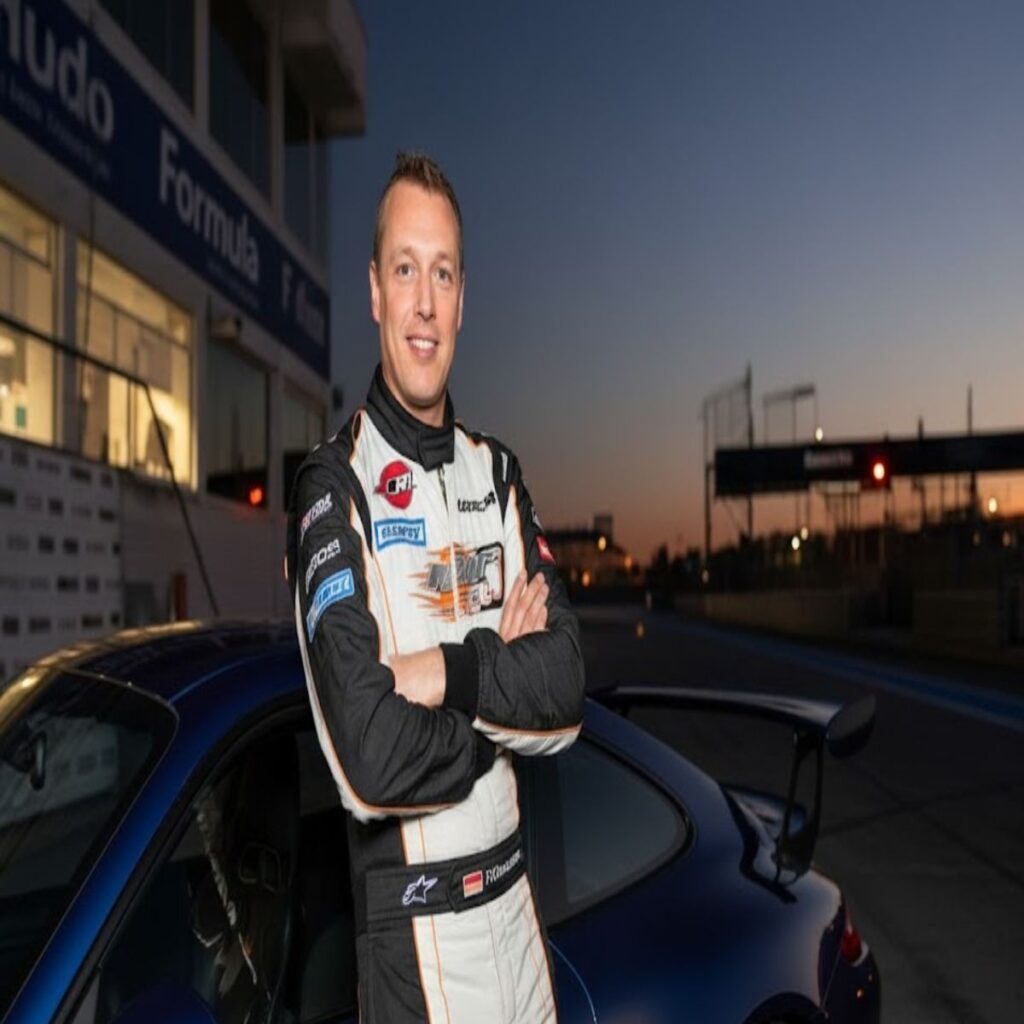
Who is jeroen dik? a straightforward profile
It’s fair to say the public picture of jeroen dik is split across two complementary identities: a Dutch club-level racing driver with documented results, and a hands-on engineering mind associated with JD Engineering’s VAG-focused tuning practice. That tension — between stopwatch and software — is exactly what makes the story interesting, perhaps even more useful for owners who want performance without losing the plot on reliability.
Let’s keep it simple first. The motorsport record sits in touring/diesel categories with a highlight season in the early 2010s. The engineering side centers on Volkswagen Group engines, ECU calibration, and a dyno-driven, custom approach that avoids one-size-fits-all maps. Is it a perfectly tidy biography? Not really, and that’s alright; the valuable part is where results and repeatable methods meet.
Verifiable basics and common misconceptions
Yes, there are multiple online profiles repeating the same headlines, but the practical markers that matter are the race results timeline and the technical footprint of JD Engineering. When in doubt, treat sensational claims cautiously and privilege details that can be cross-checked with race series results, platform coverage, and dyno practices described by the company itself.
A quick sanity check: does a claim tie back to a documented series, team, or a specific platform (say, EA888 Gen 4 with Simos 19)? If not, park it for later. The goal here is clarity you can act on — whether that’s choosing a tune for your daily RS3 or understanding why a diesel touring title from a decade ago still informs today’s calibration choices.
Inside JD Engineering: philosophy, platforms, and dyno testing
JD Engineering’s north star is custom ECU calibration, especially for VW, Audi, SEAT, Škoda, and Porsche powertrains. In practice, that means adapting ignition, boost, fueling, torque modeling, and related limiters to the specific car in front of the technician, rather than pushing a generic file. It’s meticulous work — the kind that rewards patience and punishes shortcuts.
The shop’s process revolves around in-house chassis dyno validation. A proper 4WD dyno flow allows controlled, repeatable pulls, iterative adjustments, and honest printouts. It’s not glamorous on the outside — just rollers, fans, and a lot of data — but it’s where a “map” becomes a car that’s faster, calmer, and easier to drive in the real world.
What “custom” really means here
Custom isn’t code for “wild.” It’s a method. The calibration evolves with the hardware choices (intercooler, downpipe, turbo) and fuels available locally, and it respects platform constraints: knock behavior, turbine speed, EGT, and torque intervention logic baked into the ECU/TCU pair. A good custom tune often feels surprisingly stock until you ask for everything — then it just… goes.
ECU coverage and the Simos/MED families
Volkswagen Group engines bring familiar acronyms: MED17 variants on older TSI/TFSI platforms and the later Simos families (including Simos 19 for EA888 Gen 4). If you own a modern MQB or MQB evo car, you already live in this world. The take-away is pragmatic: gains depend on airflow and heat control, but drivability depends on torque modeling done right.
Dyno policy, testing, and the “noise behind the numbers”
Expect a baseline run, calibration iterations, and a final verification pull. You should leave with a printout and, hopefully, a short conversation about what the curves say about your hardware — for instance, where the turbo is efficient and where it’s just making heat. And yes, the dyno can be loud. Worth it, though.
Related read: curious about platform specifics? You might like our technical explainer on EA888 Gen 4 Simos 19 tuning — it’s a practical guide that connects dyno graphs to what you feel at the wheel.
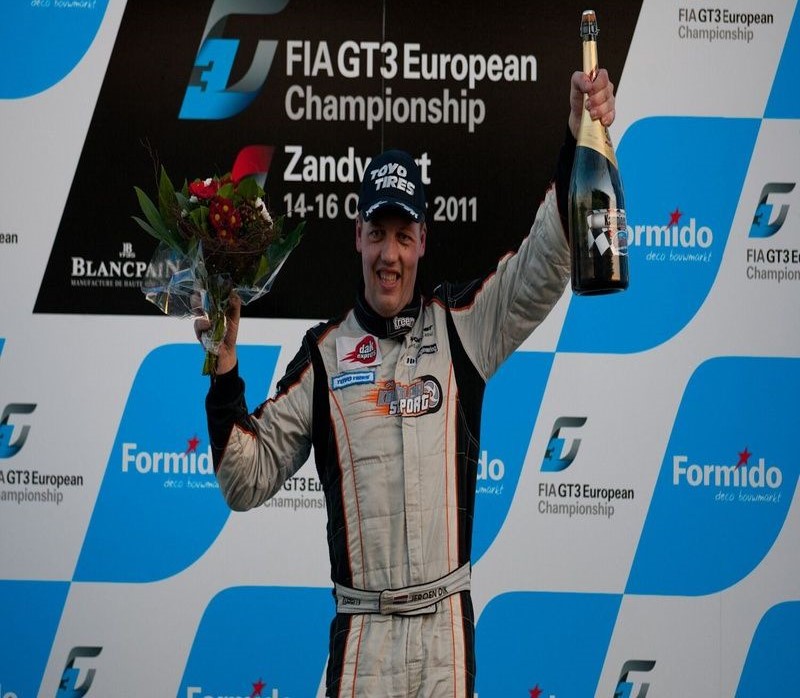
Racing years: the diesel era and privateer grit
If you remember the Toerwagen Diesel Cup, you probably remember the sound — not exactly romantic, but effective. The thing with diesel touring cars back then was consistency: torque down low, strategy over flair, and a car that behaved the same on lap 1 and lap 20. Those are habits that translate well into calibration culture later on.
The highlight: a title run in the diesel touring category early in the 2010s, following a steady progression through the field. It wasn’t about viral clips; it was about net points and a car that ran clean. That discipline — measure, adjust, confirm — mirrors how good tuners tend to work in the shop.
Results at a glance
Season by season, the story reads like a triangulation of team craft and driver development. Podiums matter, but so do the races where a fourth-place finish protects a championship lead. If you’ve spent a season wrenching, you know that reliability is a performance mod too.
Further context: our motorsport companion piece, Toerwagen Diesel Cup: privateer success and the JD years, walks through the diesel-era logic — how setups, tire management, and torque shape the scoreboard more than headline horsepower numbers.
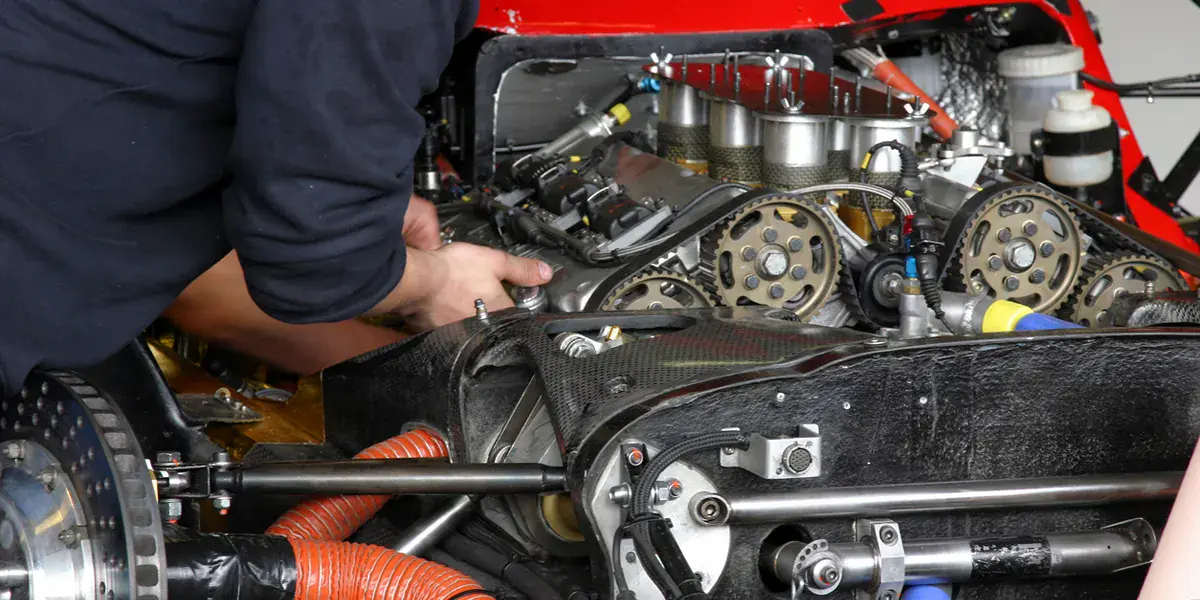
Tuning the VAG world: Simos 19, EA888 Gen 4, and practical trade‑offs
Modern VAG turbo engines are as much about software harmony as they are about hardware flow. You can bolt on a larger intercooler or a freer downpipe, sure, but the magic appears when the ECU and TCU agree about torque: request, deliver, and limiters in step. It sounds abstract until you feel a car that surges early, holds steady, and doesn’t flare shift after shift.
On Simos 19 (EA888 Gen 4), torque modeling and airflow estimation drive the agenda. Perhaps the easiest framing is this: if the ECU thinks the engine is making more torque than it is, you’ll fight interventions; if it thinks less, you’ll leave power on the table. The “just right” zone is where drivability hides.
Stages, hardware, and real-world outcomes
Stage 1 usually means stock hardware, optimized software. Stage 2 folds in basic breathing improvements. Past that, turbo upgrades need careful thermal management and, often, fueling strategy tweaks. The gains can be large, but so can the compromises. Daily drivers deserve a conservative map; track toys can afford sharper edges.
Reliability, emissions, and where to draw the line
A responsible tuner will walk you through risks: component lifespan, oil temperature control, catalyst loading, and regional emissions rules. Nobody loves disclaimers, but they’re the difference between a fast car and an expensive paperweight. If you plan to track the car, say so — it will change the choices that make sense for you.
Deeper dive: for owners of MQB and MQB evo cars, our guide to EA888 Gen 4 and Simos 19 tuning connects the dots between torque targets, lambda strategy, and how DSG shift logic responds when the map is dialed in rather than forced.
Community lore: Mk1 G60, time-attack, and the culture of speed
Enthusiast culture tends to remember the cars that punch above their weight. The Mk1 GTI G60 era — scrappy, supercharged, sometimes a little unhinged — set the tone for what came later: small cars, big character, and a willingness to test ideas at the track. The point isn’t nostalgia; it’s lineage. You can draw a line from those builds to modern calibration choices on turbo MQB cars.
Shop videos, old track clips, and event write-ups still circulate for a reason: they show work-in-progress thinking. You see what held up under heat, what fell off after three laps, and which tweaks were worth the effort. In a world of polished reels, that kind of rough honesty ages well.
If that history speaks to you, the cultural companion article Mk1 G60 and the roots of JD Engineering stitches together the cars, the people, and the ideas that shaped the shop’s identity before MQB was even on the horizon.
Owner’s quick guide: picking the right path
Three questions to ask yourself before you book a tune: how will you use the car 80% of the time, what fuel do you reliably have access to, and how much noise/heat are you willing to live with? Honest answers produce happier builds. And yes, it’s okay to say “mostly commuting” — a predictable, smooth car is a feature, not a flaw.
Practical checklist: baseline health check (plugs, coils, PCV, intercooler efficiency), clear goals (lap time, highway passing power, or just playful midrange), and a maintenance plan. Write them down. Six months later, you’ll be glad you did.
FAQs
Does a custom tune void my warranty?
It depends on region and dealer policy, but you should assume heightened scrutiny. A transparent relationship with your service provider helps. So does keeping documentation and reverting when necessary.
Is Stage 1 safe on a daily driver?
With a conservative calibration and a healthy car, typically yes. The real key is heat: intercoolers, oil temps, and not beating on the car when it’s cold.
What about emissions compliance?
Stay within your local laws. If you need full compliance, say so at the start — it changes hardware choices and calibration targets.
Bringing it together
In the end, jeroen dik is a story about measurable performance and the craft behind it — a racing chapter that prized consistency and a workshop culture that turns that same discipline into repeatable, roadworthy gains. If you want to keep reading, the pieces on EA888 Gen 4 Simos 19 tuning, the Toerwagen Diesel Cup years, and the Mk1 G60 roots round out the picture, perhaps not perfectly — but honestly enough to be useful the next time your car rolls onto a dyno.




More Stories
How to Combine Videos on iPhone
Delete Text Messages on iPhone for Both Sides Not Working
Bluetooth Toggle Missing in Windows 10: what to do